
Feeling like homeownership is completely out of reach? I get it. With prices through the roof and mortgage rates that make your eyes water, it’s easy to think you’ll be renting forever. But here’s the thing – while the traditional path to homeownership might be broken, that doesn’t mean there aren’t other ways to get there.
Let me walk you through some options that might not be on your radar but could actually make owning a home possible, even in today’s crazy market.
Mortgage Programs You Probably Don’t Know About
Before you assume you need a perfect 20% down payment, let’s talk about what’s actually available. There are tons of first-time buyer programs that most people never hear about.
Many builders and sellers are offering rate buydowns. Can be a good way to get into a home at a lower mortgage payment, just be aware that the rate will likely go up at the end of the term. I wouldn’t bank on rates dropping in the future, even though most experts expect them to come down at least a little.
FHA loans let you put down as little as 3.5%, and they’re pretty forgiving about credit scores. VA loans (if you’re a veteran) require zero down payment – literally nothing. USDA loans for rural areas? Also zero down, and “rural” is more flexible than you’d think.
Then there are state and local programs that can be game-changers. Many offer down payment assistance, closing cost help, or below-market interest rates. Some will even give you actual cash to help with your down payment. The catch? You usually have to live in the home for a certain number of years, but if you’re planning to stay put anyway, that’s not really a catch at all.
Don’t forget about programs specifically for teachers, firefighters, police officers, and healthcare workers. These folks often get special deals that can save thousands.
Think Outside the Traditional House Box
Here’s where things get interesting. Who says you need a cookie-cutter suburban home? Alternative building options can slash your costs while giving you something totally unique.
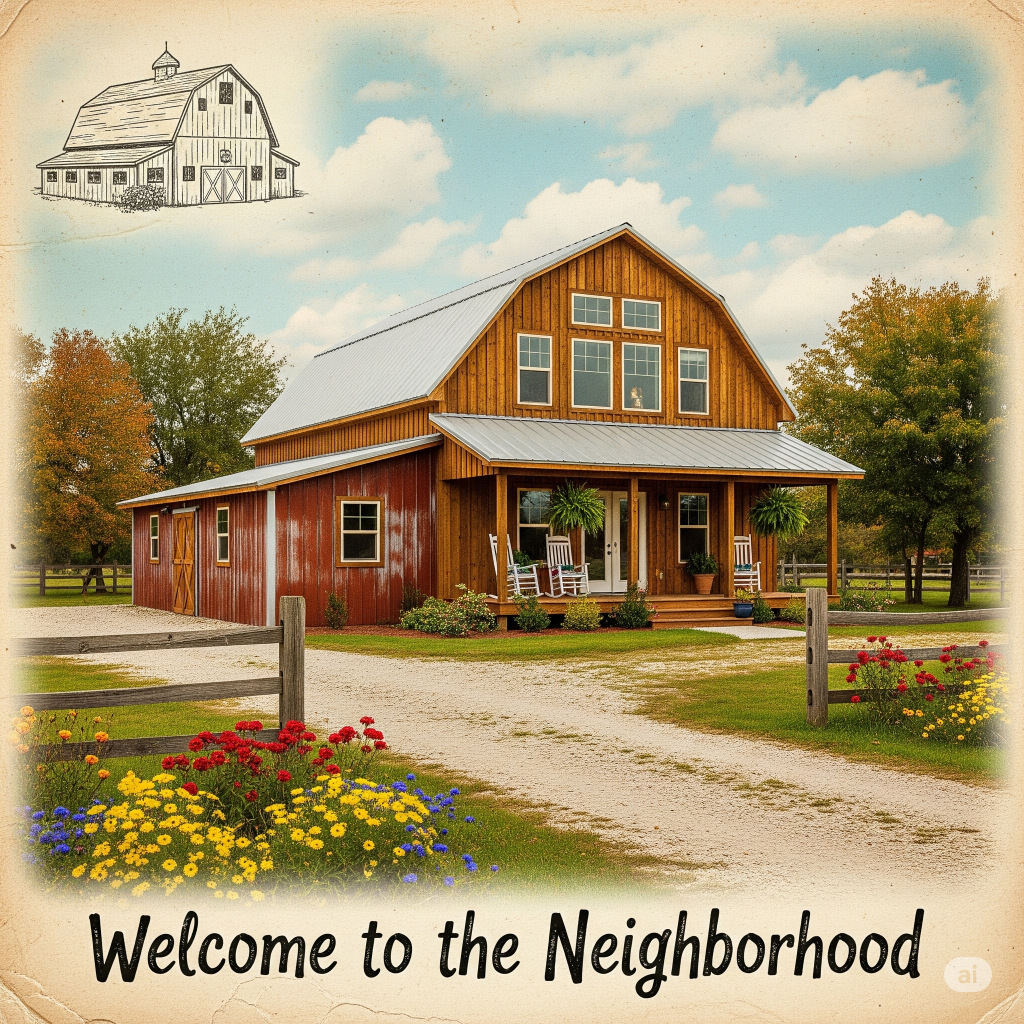
Barndominiums are having a serious moment right now, and for good reason. These metal buildings with living spaces inside can cost 30-50% less than traditional homes to build. Plus, they’re incredibly durable, energy-efficient, and you can customize them however you want. Think open floor plans, high ceilings, and a garage that could fit a small airplane.
Tiny homes are another option that’s moved way beyond the novelty phase. Sure, you’re trading space for affordability, but modern tiny homes are surprisingly functional. And in many areas, you can put one on a small plot of land for a fraction of what a traditional home would cost.
Container homes, prefab houses, and even converted shipping containers are becoming legitimate housing options. They’re often faster to build, more affordable, and surprisingly stylish when done right.
Go Rural (It’s Not What You Think)
Here’s a secret: “rural” doesn’t necessarily mean you’ll be farming chickens and driving an hour to buy groceries. Many areas classified as rural are actually pretty close to major cities – they just happen to be outside the expensive urban core. And thanks to COVID, many of us are working remote now anyways.
If you’re in an expensive metro area, try looking 30-45 minutes further out. You might find the same house that costs $500,000 in the suburbs is only $300,000 in a smaller town that’s still totally livable. With remote work becoming more common, this strategy makes even more sense.
Plus, remember those USDA loans I mentioned? They work in way more places than you’d expect. Areas that feel pretty suburban often still qualify for rural loan programs.
The trade-off is usually a longer commute if you work in the city, but when you’re saving $200,000 on a house, that extra drive time might be worth it. And smaller towns often have better schools, less traffic, and a stronger sense of community. VERY IMPORTANT: Make sure you have fast Internet!!! That’s not a given in rural America!
Consider a Geographic Fresh Start
This one’s not for everyone, but hear me out. If you’re not tied to a specific location, there are entire regions of the country where your money goes way further.
The Midwest, parts of the South, and some smaller cities in less trendy states offer genuine affordability. We’re talking about places where $250,000 can still buy you a decent house – something that seems impossible if you’re shopping in California or New York.
Cities like Pittsburgh, Cleveland, Kansas City, or Boise offer good job markets, cultural amenities, and housing that won’t require you to sell a kidney. The lifestyle might be different from what you’re used to, but different doesn’t necessarily mean worse.
Before you dismiss this idea, do some research. Many of these areas have growing tech scenes, good universities, and plenty to do. Plus, your quality of life might actually improve when you’re not spending 50% of your income on housing.
The Co-Living Route: Sharing Your Way to Ownership
This last option might sound a bit unconventional, but it’s becoming increasingly popular: buying a home with friends, family members, or even carefully vetted strangers.
House hacking is one version of this – you buy a duplex or small apartment building, live in one unit, and rent out the others. The rental income helps cover your mortgage, and you’re building equity while living affordably.
Co-buying with friends or family members is another approach. Pool your resources to buy a larger property that none of you could afford alone, then either divide it up or take turns using it. There are even companies now that help strangers co-buy homes together, handling all the legal stuff to make sure everyone’s protected.
The key is having crystal-clear agreements about everything upfront – who pays what, what happens if someone wants to sell, how decisions get made, and what the exit strategy looks like.
The Bottom Line
Look, I’m not going to pretend any of these options are as simple as the old “save up 20% and buy a house in your hometown” approach. But that approach isn’t working for most people right now anyway.
The housing market has changed, which means your strategy might need to change too. Maybe that means getting creative with financing, considering a different type of home, moving somewhere new, or sharing the journey with others.
The American dream of homeownership isn’t dead – it just might look different than what your parents experienced. And honestly? That might not be such a bad thing.
 A marketing blog.
Leave a comment